
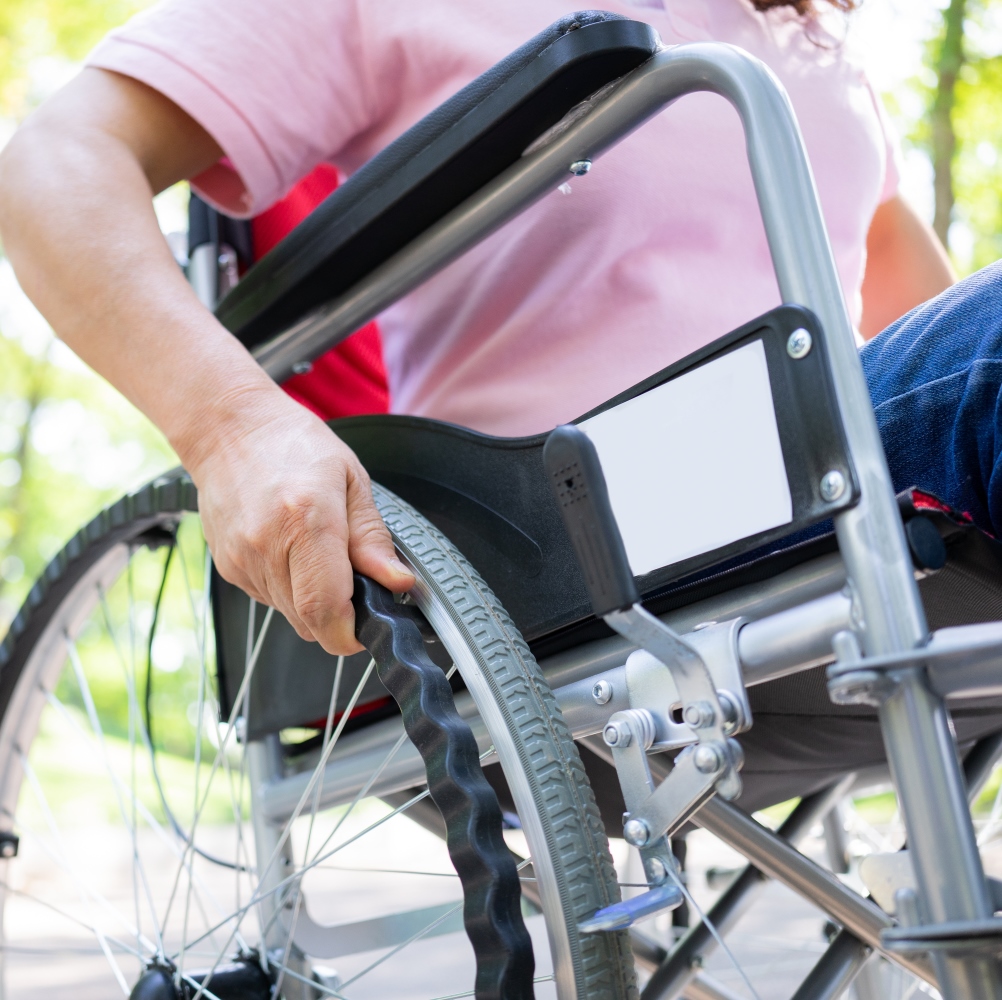
Collaborating with physical and occupational therapists in a construction company to ensure safety and accessibility of homes and workplaces offers a multitude of benefits.
- Enhanced Safety: Therapists can assess the environment and make recommendations to minimize hazards. This helps prevent accidents and injuries, especially for individuals with mobility or accessibility challenges.
- Accessibility Improvements: Therapists can identify and implement modifications, such as ramps, handrails, and wider doorways, to make spaces more accessible for people with disabilities. This promotes inclusivity and compliance with accessibility regulations.
- Customization: Therapists can tailor solutions to individual needs. They ensure that adaptations suit the specific requirements of people with disabilities, making the environment more user-friendly.
- Optimized Ergonomics: Therapists can advise on ergonomically designed workspaces, reducing the risk of work-related injuries and improving overall health and productivity.
- Health Promotion: They can develop wellness programs for construction workers to prevent injuries and promote a healthier work environment, ultimately reducing healthcare costs and absenteeism.
- Cost Savings: By preventing accidents and creating accessible spaces, companies can avoid costly litigation and retrofitting expenses in the long run.
- Compliance: Therapists can ensure that the construction adheres to relevant accessibility and safety codes and regulations, reducing the risk of legal complications.
- Improved Employee Wellbeing: A focus on safety and accessibility demonstrates a commitment to the health and welfare of employees, enhancing job satisfaction and morale.
- Reputation and Marketing: A reputation for inclusive and safe construction can attract a broader range of clients and business opportunities.
- Sustainability: Many accessibility and safety features also align with sustainable design principles, benefiting the environment and potentially reducing long-term operating costs.
Incorporating physical and occupational therapists into the construction process creates a win-win situation, ensuring safer, more accessible, and accommodating environments for everyone, while also benefiting the construction company through improved compliance, reputation, and cost-efficiency.